
September 2024 marks 30 years of teaching for me! Not quite ready for retirement yet but it marks a significant moment and warrants some reflection.
30 years …
…that is 9 Prime Ministers – some good, some bad, some ugly!
…14 Education Secretaries – we all remember the revolving door episode!
… it has been teaching in Dundee, South London and then finally to Bristol.
…it has included roles from teacher, to subject leader, to member of SLT, to headteacher and now as an Executive Director of Learning.
…working in both Local Authority and MATs.
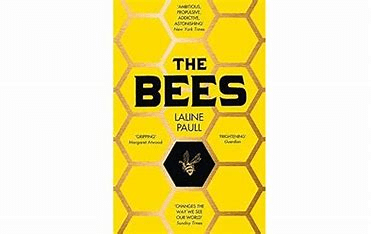
I have spent much of my summer reflecting on those 30 years and of course reading – my other passion. One of my favourite reads recently has been “The Bees” by Laline Paull.
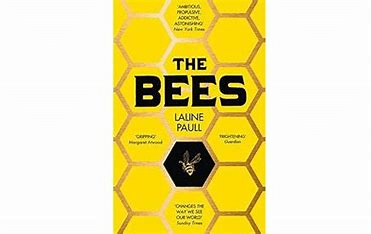
The Book
“The Bees” tells the tale of Flora 717. Flora is a worker bee in the hive. She is prepared to sacrifice everything for the Queen. She overcomes many trials and with each act of bravery her confidence grows until Flora begins to challenge the strict system of the hive.
And with that tale of Flora, my pondering reflections began….
…… what leadership lessons can we learn from bees?
The Lessons
Clear Communication
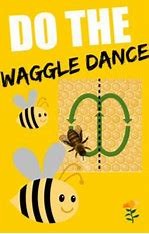
Bees use vibrations and pheromones to help pass messages. Bees also use complex forms of communication, such as the waggle dance, to share information about food sources and other vital tasks. Flora loves to watch and join in the dance with her multitude of sisters. It is “in the dance of the bees, secrets are shared, and harmony is established.”
As a leader, clear, transparent, and frequent communication helps align team members, reduces misunderstandings, and ensures everyone is working towards the same goal. Leadership language is so important in schools. Our leadership language sets the tone, lives the vision and provides a collective narrative which binds our team. Complicated communication strategies are not required but a clear drumbeat of communication is essential.
Clear Roles
Bees are the epitome of teamwork. Each bee has a specific role, and they work together seamlessly to achieve common goals. Flora reminds us that “the power of the swarm lies in the harmony of many working together towards a common goal” and that “the buzz of the hive is a symphony of purpose, a testament to the power of unity.”
School leaders must promote a collaborative environment where each team member understands their role and how it contributes to the overall success of the school. Clear roles and responsibilities should be outlined for all. As a headteacher, I always used a RACI document to ensure roles and responsibilities were fully understood by all. This document illustrated succinctly who is Responsible, Accountable, Consulted or Informed.
Clear Goals
The strength of the hive lies not in the individual bee, but in the shared goal. In nature, bees are a perfect example of this unity and synergy, as they tirelessly come together to build intricate hives, gather nectar, and protect their colony.

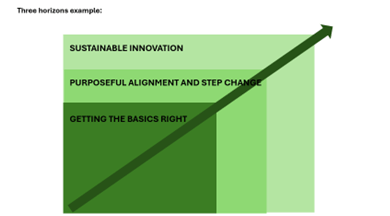
Similarly, school leaders must ensure that their teams are aligned with the school’s vision, values and strategic priorities. When everyone understands and is committed to a common goal, it enhances motivation and drives school improvement at pace. A well written, research based, data driven, focussed school development plan (SDP) is essential. As a headteacher and trust leader I have used many different templates but the best by far is based on three horizon planning with detailed implementation plans from the EEF toolkit Implementation | EEF (educationendowmentfoundation.org.uk).
Distributed Leadership
The queen is the heart and soul of the hive, but she is by no means the only leader. Leadership is distributed to those experts in the field. Distributed leadership is a hallmark of the bee colony. Foraging decisions, for example, are made by the foragers. Flora reminds us that “in the world of bees, there is no room for ego, only a shared purpose and a collective identity.”
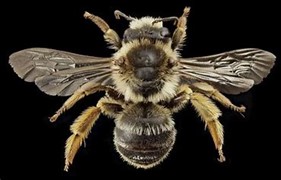
As school leaders we must ensure that leadership is effectively distributed to enhance collaboration, increase creativity, improve decision making, build capacity, create empowerment and increase knowledge sharing. This is not easy. This requires high levels of trust. Most importantly, it must be preceded by high quality leadership training. The suite of National Professional Qualifications (NPQs) provided by organisations such as Church of England Foundation for Educational Leadership (CEFEL) Home – Foundation For Educational Leadership (cefel.org.uk) have been instrumental in developing future leaders in our schools.
Adaptability and Resilience
Bees are incredibly adaptable and resilient creatures. They can adjust to changes in their environment and recover from setbacks. Flora explains that “bees teach us the importance of resilience and adaptability, finding strength even in the face of adversity.”
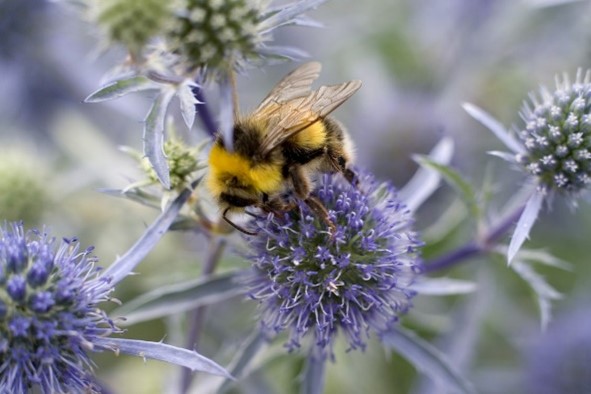
School leaders must cultivate resilience within their teams by encouraging adaptability, providing support during challenging times, and creating a culture where change is seen as an opportunity rather than a threat. The most powerful illustration of this was the collective response by our profession to the pandemic. Teachers and schools literally taught themselves how to deliver teaching and learning online overnight. It was one of our biggest challenges and the profession showed adaptability and great resilience.
Manage the Resources
Bees manage resources well. They gather nectar and pollen efficiently and ensure nothing goes to waste. The bees understand that “the honey they produce is the fruit of their labour, a gift to sustain and nourish.”
As a new headteacher one of the steepest learning curves was how to manage the school budget efficiently. Thankfully, I was always supported by a superb school business manager who supported me to optimise resources, allocate tasks effectively, and ensure that our team was working efficiently without unnecessary strain or waste.
Build Networks
Bees build intricate networks and strong hives with colonies that can withstand external pressures and most environmental changes. Flora explains that “like the flowers we visit, our lives are interconnected and interdependent.”
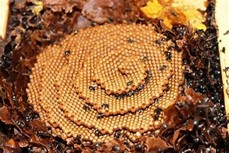
As a school leader, and especially as a new school leader it is so important to build strong networks and relationships within and outside your team. A robust network can provide support, share wisdom and offer challenge. I have had the opportunity and privilege to be part of many networks and groups throughout my career. My favourite by far was the network we liked to call “the naughty club” – it was in fact a group of headteachers working together to drive rapid school improvement following a RI Ofsted inspection. We learnt so much from each other and celebrated every success along the way.
Focus on Well-being
Bees work hard. Bees also ensure that the hive is a healthy, sustainable, efficient and happy environment. Flora reminds us that we must “appreciate the beauty and wonders of the natural world.”
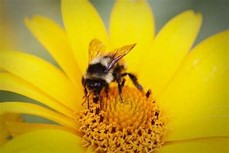
As school leaders, we must prioritise the well-being of our team members, promoting a healthy work-life balance, providing necessary support, and ensuring a positive work environment.
Servant Leadership
In a hive, the queen bee is the servant of the team, laying the eggs to ensure the future survival of the colony. It’s the team behaving as one, in pursuit of a common goal which brings success. Flora explains that “in the hive, we are all equal, each with a role to play in the greater scheme of things.” In fact the “bees understand the importance of cooperation and selflessness, lessons humans can learn from.”
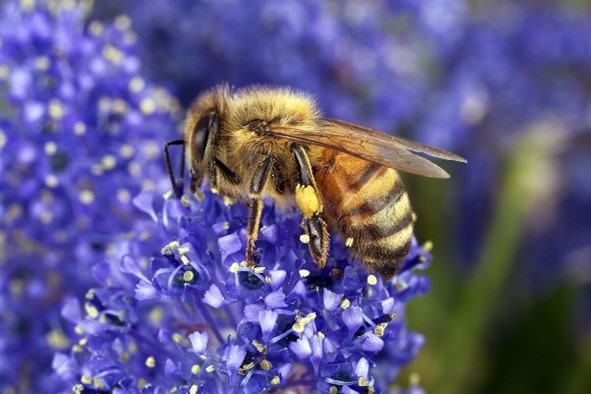
As a school leader we must lead with humility and grace. Remembering that we are but custodians of our school. We are there to serve our pupils and their community. We are there to improve the life chances of our pupils. We are servant leaders.
So what has “The Bees” taught us?
Through excellent storytelling, a wonderful imagination and a unique perspective, Laline Paull, has shared with us the intricate, interconnected lives of bees. But there are also a number of leadership lessons:
- Clear Communication
- Clear Roles
- Clear Goals
- Distributed Leadership
- Adaptability and Resilience
- Manage the Resources
- Build Networks
- Focus on Well-being
- Servant Leadership
The humble bee offers a wealth of wisdom for school leaders. They offer valuable leadership lessons to support us in creating cohesive, resilient teams who use their collective wisdom and collective endeavour to drive school improvement and ultimately improve the life chances of our young people.
If you would like to learn more about bees:
 AntwisCollaborative
Leave a comment