
What do you think of the new Ofsted proposals?

This afternoon, on behalf of Antwis Collaborative, I attended an online webinar with Ofsted where they explained how they were improving the way Ofsted inspects education. I am writing this blog to share information and prompt school leaders to respond to the consultation. There is change coming and school leaders must use their powerful voices to shape that change.
Ofsted want to reset their priorities, refine their practices and rebuild their relationships. It was clear in the webinar that there is an ambition to promote professional conversations, understand the context of the school, build a rounded view of the school, accept that some areas of school improvement will be more or less developed than others and to create an inspection framework that supports school improvement.
The key proposals include:
- Report Cards: Introducing comprehensive ‘report cards’ that assess schools, early years settings, and further education providers across multiple areas, offering parents and carers detailed information about educational standards.
- Five-Point Grading Scale: Replacing the previous single-word judgments with a five-point scale for each evaluation area, incorporating a new ‘exemplary’ grade to encourage higher standards.
- Focused Support for Improvement: Implementing follow-up inspections for schools identified with weaknesses to ensure timely and effective actions are taken to raise standards.
- Enhanced Inclusion Focus: Extending the concept of inclusion beyond Special Educational Needs and Disabilities (SEND) to encompass all disadvantaged and vulnerable learners.
- Contextual Evaluations: Placing greater emphasis on understanding each provider’s unique circumstances and local context during inspections.
- Tailored Inspection Toolkits: Developing new toolkits to customise inspections according to the specific phase and type of educational provider.
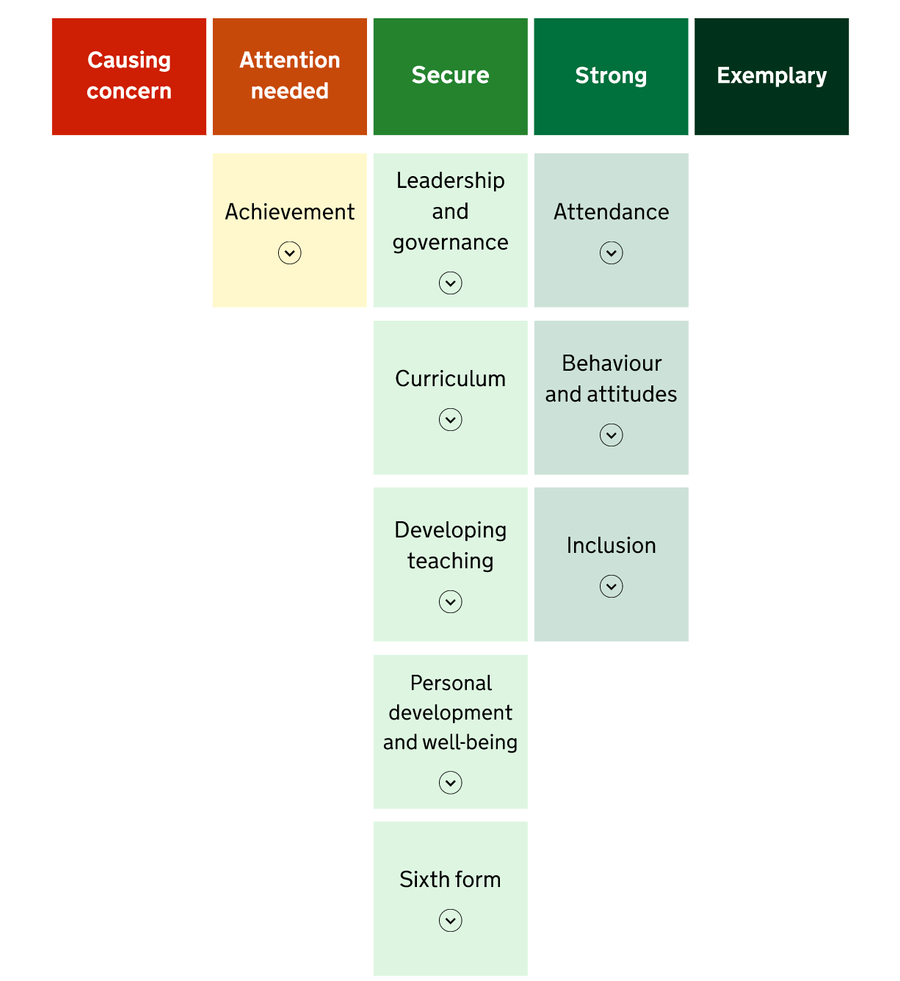
Ofsted will publish a new inspection framework, operating guide and detailed toolkits. These will include further detail on the inspection methodology and the different areas of evaluation. Evaluation areas will include:
- Leadership and governance
- Curriculum
- Development of teaching
- Achievement
- Behaviour and attitudes
- Attendance
- Personal development and well being
- Inclusion
- Safeguarding
- EYFS/6th Form
The proposed Ofsted framework has both potential benefits and concerns for our schools and our school leaders.

Positive Aspects:
- More Detailed and Supportive Evaluations:
- The new framework aims to provide a more nuanced and detailed assessment, which could help schools better understand their strengths and areas for improvement.
- The introduction of ‘report cards’ with a five-point grading scale gives schools more clarity on what is being assessed, and a new “exemplary” grade could motivate schools to push for higher standards.
- Focused Support for Improvement:
- Schools identified with weaknesses will receive more focused and timely support, which can help them address issues before they become more serious.
- Emphasis on Inclusion:
- The focus on inclusion for all learners, including disadvantaged and vulnerable students, reflects a positive commitment to addressing equity in education.
- Contextual Evaluations:
- A greater understanding of each school’s unique circumstances could make inspections fairer and more relevant, considering factors like local challenges and resources.
- Tailored Toolkits for Different Providers:
- The customizable inspection toolkits for various educational settings (e.g., primary, secondary, further education) could help ensure that inspections are more specific to the nature of the institution.
Concerns:
- Complexity and Interpretation of Report Cards:
- Some schools and headteachers have expressed concerns that the new ‘report cards’ may become overly complicated, potentially confusing parents and affecting the public perception of schools.
- The new grading system may create additional pressures if the results are misinterpreted or not aligned with the wider context of a school’s performance.
- Increased Pressure:
- While the intention is to provide support, some educators feel that the enhanced scrutiny could add additional stress to teachers and school leaders, especially with the emphasis on meeting higher standards.
- Implementation Challenges:
- Transitioning to a new system could pose challenges in terms of training inspectors, understanding new frameworks, and ensuring consistency in how schools are evaluated.
While there are positive aspects, such as clearer evaluations and a focus on improvement, the success of the new framework will depend on how well the changes are implemented and how schools adjust to the new reporting and grading structure. Schools may appreciate the detailed feedback, but some may struggle with the increased complexity and pressure.

As an experienced school leader, I am cautiously hopeful! I am also keen to gauge the temperature of the profession and our school leaders – what will the Autumn term bring? Are Ofsted on the right path?
The proposal is open for consultation until April 28, 2025, with the aim of implementing the new inspection model in November 2025. Have your say here:
If you enjoyed this blog or if you are in the inspection window, please take a look at the Antwis Collaborative website. Home (antwiscollaborative.co.uk)
At Antwis Collaborative, we are dedicated to empowering school leaders through personalised coaching, cutting-edge professional learning, and unwavering support. With decades of experience in education, we understand the challenges and opportunities that today’s school leaders face. Our goal is to help leaders unlock their potential, foster positive school cultures, and create transformative learning opportunities that impact both staff and pupils.

With 30 years of experience working in schools, Antwis Collaborative brings expertise, insight, and empathy to the table. We are more than a consultancy; we are partners in your leadership journey. Our collaborative approach ensures that support is tailored to the individual needs of each leader and school, driving sustainable, long-term impact.
Connect with Us: Let’s explore how Antwis Collaborative can support your leadership and your school. Home (antwiscollaborative.co.uk)
 AntwisCollaborative
Leave a comment