
I have been a fan of Lego from the age of six when my parents bought me a second-hand London Bus model from the village jumble sale. It was the best present ever and I was gripped for life.
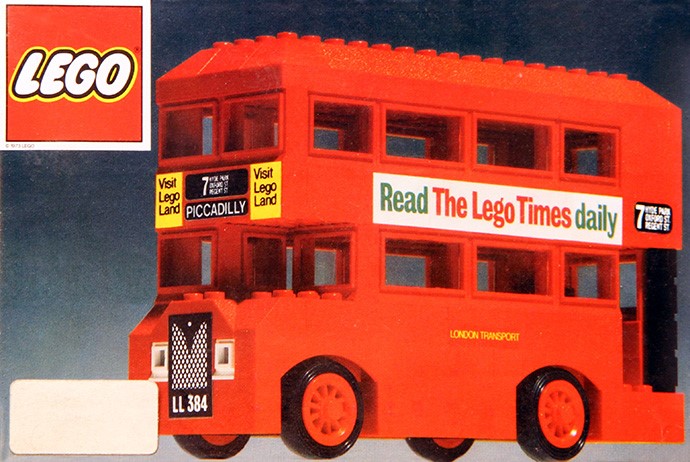
Now I am 55, I have the means to indulge my hobby/habit/obsession again. My dream set… no, not the Death Star or the Millenium Falcon (these are toys, not models and too obvious) is the Titanic. It’s nearly 10,000 pieces and over a metre long.
I probably shouldn’t admit this, but I am a member of the AFOL Facebook group (Adult Fans of Lego). I bought the Titanic set after seeing a second-hand version advertised by a group member and going for a quarter of the price. The seller even lived in my town, which I took as a sign that I had to buy it.

It duly arrived at his house to find that it came in four sections and the first section had been built already. The owner was building it with his grandfather who sadly had died and he had found it too emotional to finish the model alone. I asked if he minded if I dismantled the built section and started from scratch. He had no issue with this and I skipped to the car like a schoolboy with my new dream model.
The dismantling took me over four hours.

Next, I needed to sort out the pieces to rebuild the bow section. My wife (yes – I do have one!) was kind enough to help me. We decided to bag up the 2500 pieces by colour.
That took another four hours.
However, the bag with black pieces contained about 800 pieces on its own and they needed to be subdivided into ‘very large/large/medium/small/very small’ pieces, which required more bags. In fact, we needed to do this for all 21 colours! In total, we now had over 40 bags and a marginally intact marriage!

We’d spent 12 hours and hadn’t even started building.
It took me 12 hours to build the bow section over seven nights and 24 hours in total for a quarter of the Titanic.
With pre-numbered bags, pre-sorted and arranged pieces, and clear instructions, the next three sections took about 6 hours to build.
So, in summary, the bow section took 6 hours longer than the other three sections combined.

Why am I telling you this?
As I built the Titanic, I began to think about the Lego pieces as pupil progress (value added) data – the information about the effectiveness of teaching and learning of young people in schools. So often it’s in a random pile and so of limited use.
Ask yourself:
Does it tell you what you need to hear?
Is it missing any pieces?
Can you gather it quickly?
Can you interpret it easily?
Can you use it to create action plans?
Will it be able to indicate the impact of those actions?
Early in my career, as a Vice Principal, I used to ask staff to identify underperforming pupils using their intuition and other raw ‘data’. This is a valuable process only if it can be triangulated with more robust value added data.
Gathering, analysing and validating this data was laborious, painstaking and looking back it was incomplete and not particularly useful.
We have the benefit of technology to hasten that process now, but I still think we are falling short of the absolute requirement and duty to gather granular, rigorous, complete and actionable data where academic progress is concerned.
We can’t keep starting with one section of the Titanic built, unbuilding it, re-sorting it, re-categorising it and then rebuilding it again.
It takes too long.
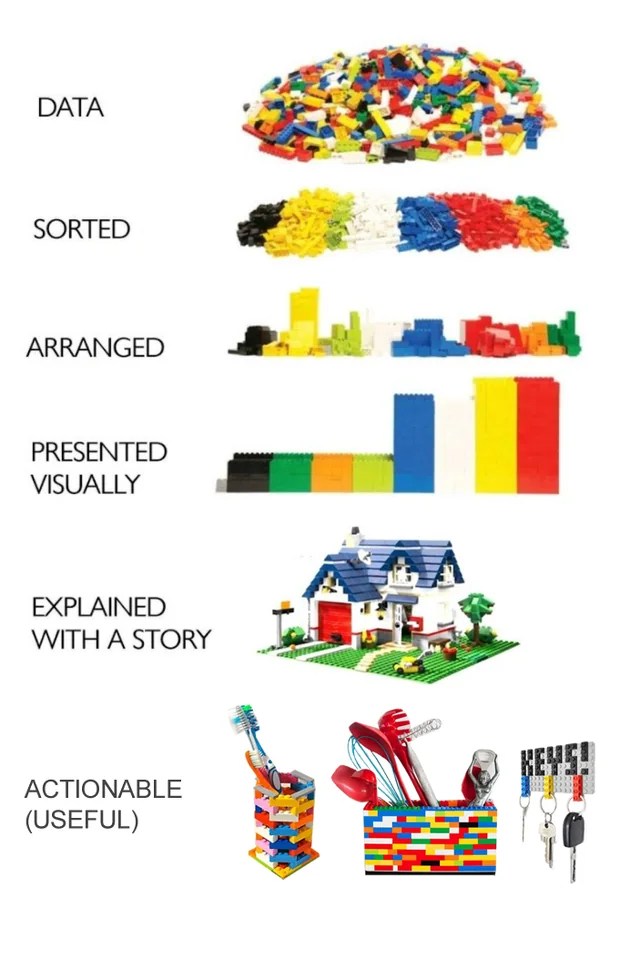
In short, progress data has to be sorted, arranged, presented visually, explained as a narrative and finally and most crucially, be actionable.
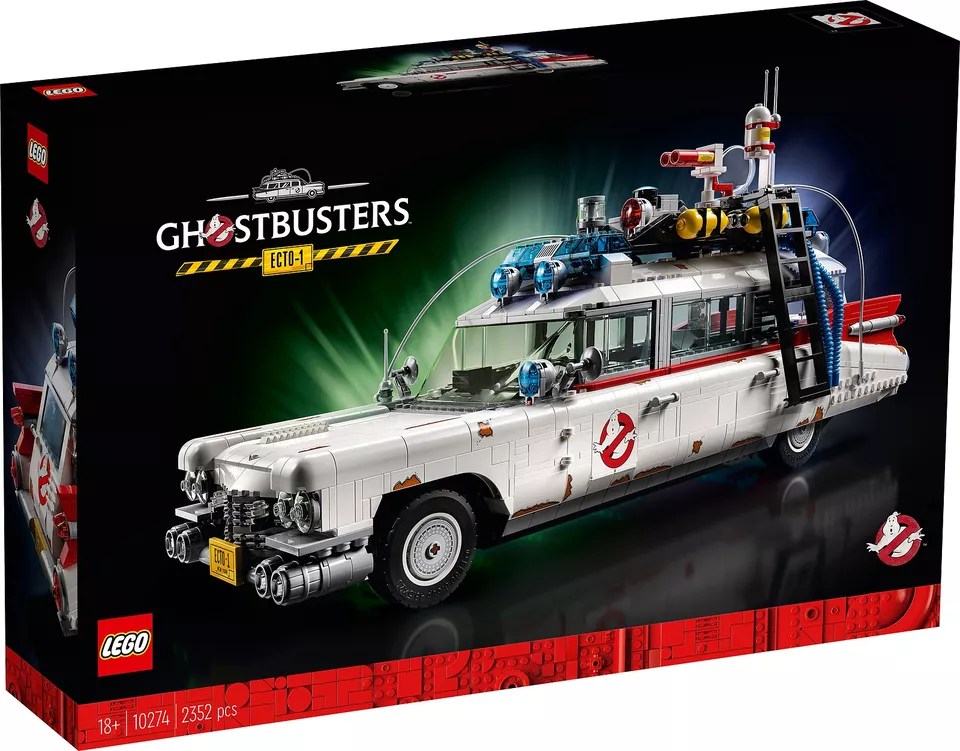
My next model? The Ghostbusters Ecto-1 – all sorted, arranged, visual instructions, tells a story (of the mid-80s!) and actually works!
This blog was brought to you by Simon Antwis, Director at Antwis Collaborative. Former Biology teacher, head of department, housemaster and headteacher.

If you enjoyed this blog, please take a look at the Antwis Collaborative website. Home (antwiscollaborative.co.uk)
At Antwis Collaborative, we are dedicated to empowering school leaders through personalised coaching, cutting-edge professional learning, and unwavering support. With decades of experience in education, we understand the challenges and opportunities that today’s school leaders face. Our goal is to help leaders unlock their potential, foster positive school cultures, and create transformative learning opportunities that impact both staff and pupils.

With 30 years of experience working in schools, including 20 years as a school and Trust leader, Antwis Collaborative brings expertise, insight, and empathy to the table. We are more than a consultancy; we are partners in your leadership journey. Our collaborative approach ensures that support is tailored to the individual needs of each leader and school, driving sustainable, long-term impact.
Connect with Us: Let’s explore how Antwis Collaborative can support your leadership and your school. Home (antwiscollaborative.co.uk)
 AntwisCollaborative
Leave a comment