
Since the start of my teaching career, I’ve spent most of my time in Early Years and Key Stage 1. It’s fair to say that much of my day — and sometimes even my dreams revolves around phonics! Many education professionals still view phonics as an EYFS or KS1 skill, but increasingly, both the reading and writing frameworks have placed greater emphasis on phonological awareness, reading fluency and spelling across all key stages.
It’s also worth remembering that understanding phonics and early reading is embedded within the Teacher Standards. Yet too many children are still entering Key Stage 2 — and even secondary school without a secure grasp of key reading skills such as pace, fluency, prosody and syntax, or a confident understanding of phonemes, graphemes and spelling patterns.
When we talk about phonics, we’re not just referring to the 30-minute daily session that happens in classrooms up and down the country. Phonics underpins the reading and writing skills woven throughout the curriculum. A strong foundation in phonics and reading supports every subject, every lesson and every learner.

The national picture
In recent years, the Department for Education (DfE) has made it clear that phonics and early literacy remain top priorities. Too many children, particularly those from disadvantaged backgrounds, are not making the rapid progress needed in this area.
The government has invested heavily in research, resources and programmes to raise standards — and while we might not all agree with the Phonics Screening Check, it remains an essential assessment tool that helps teachers identify gaps and target support effectively.
However, it’s important to remember that we cannot and should not define a child’s reading ability by a five-minute test scored out of 40. The Phonics Screening Check offers just a snapshot in time. It doesn’t capture a child’s comprehension, enjoyment of reading, or their ability to apply phonics knowledge in meaningful contexts. True reading success is built over time, through daily practice, exposure to rich language, and a culture that celebrates reading as both a skill and a joy.
At the same time, schools must always have in the back of their minds those children who need additional support with phonics. Providing timely boosters and targeted interventions is vital to ensure every child can make stronger progress and close the gap before it widens. In a recent Ofsted inspection, phonics and early reading were high on the agenda — inspectors listened to readers, observed phonics lessons and spoke directly with the phonics lead to evaluate how effectively these systems were supporting all learners. This focus serves as a reminder that high-quality provision must go hand in hand with high-quality intervention.
The role of training and CPD
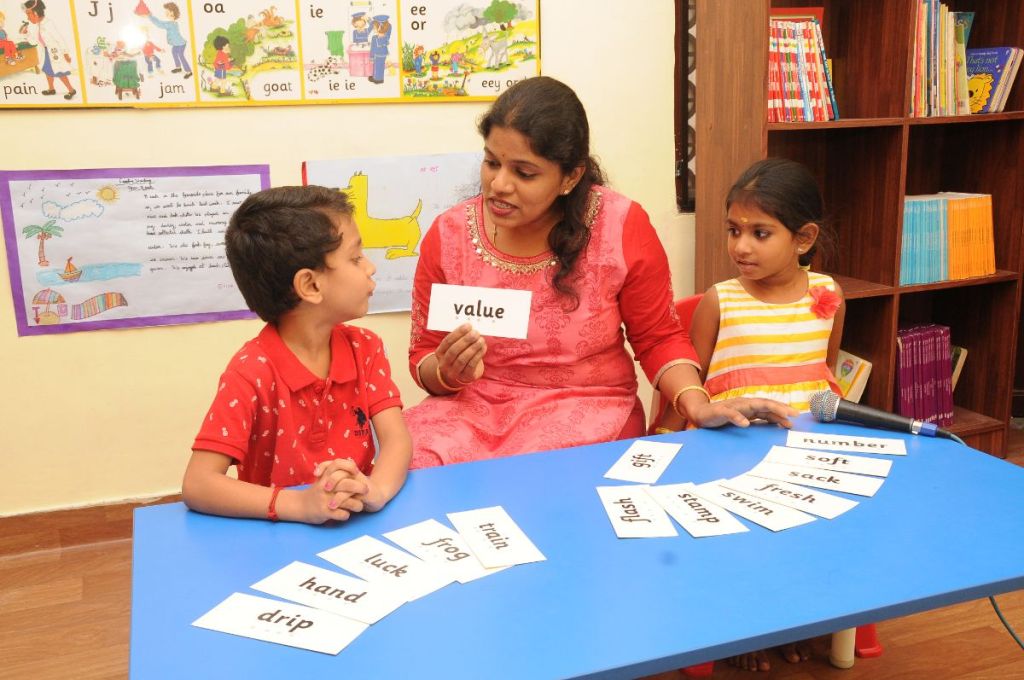
One of the most significant factors influencing the success of phonics teaching is staff training and professional development. Ensuring that teachers and support staff have the skills and confidence to deliver high-quality phonics sessions is vital.
Effective CPD can take many forms:
- Shadowing experienced practitioners
- Dedicated phonics training or online learning modules
- Team teaching
- INSET or training days led by phonics specialists
Every school will have its own approach depending on the scheme or programme it uses, but consistency and clarity are key. The days of learning sounds through songs about ants on arms are long gone — today’s phonics teaching is systematic, structured and evidence-based.

Working in partnership with parents
Phonics has evolved significantly over the past decade, and so too must our relationships with parents. It’s essential that families understand how reading is taught in schools today, so they can effectively support their children at home.
Simple, engaging parent workshops and clear communication through newsletters or the school website can go a long way in building that shared understanding and commitment to reading success.
Practical strategies for strengthening reading culture
Here are some of the strategies that I currently use — and that other schools may find valuable — to foster a love of reading and strengthen phonics provision across the school:
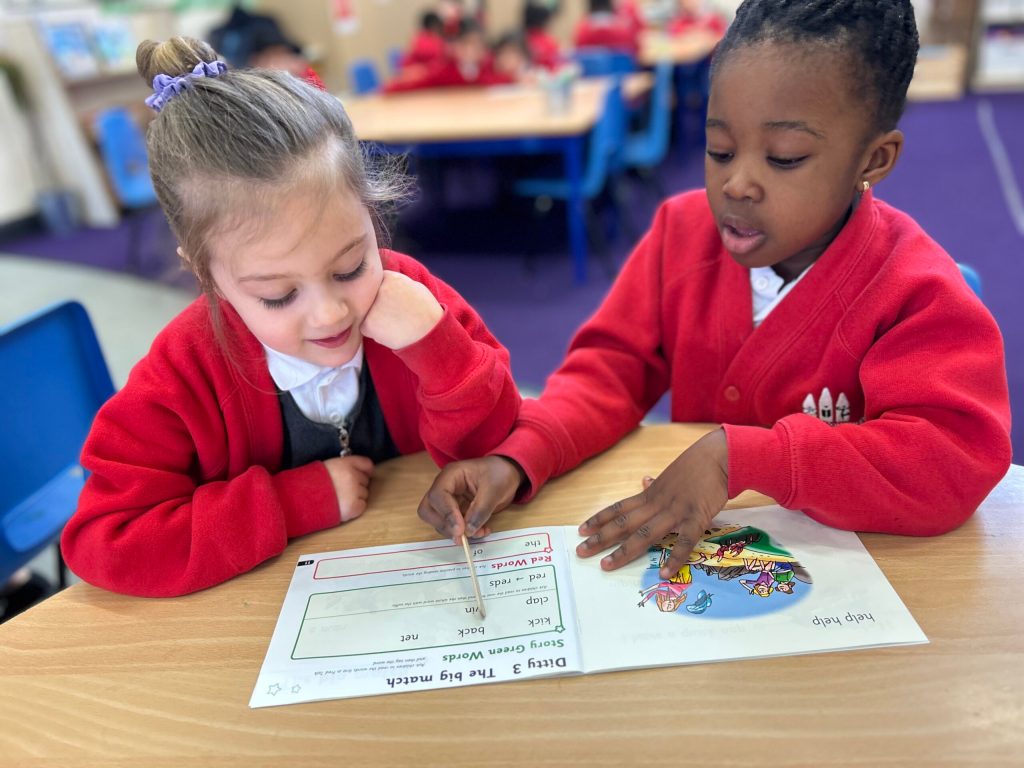
- Daily reading for pleasure – even just 10–15 minutes can make a big difference.
- Regular visits to the school or community library to build excitement around books.
- Daily phonics sessions delivered consistently across EYFS and KS1.
- Parent workshops to explain phonics approaches and home support strategies.
- Phonics homework to reinforce classroom learning.
- Book banding to ensure children take home books that match their reading level.
- Regular coaching and mentoring for staff who deliver phonics, including support staff.
- Use of practice screening materials to track progress and identify trends.
- A comprehensive phonics and early reading page on the school website — not just a DfE requirement, but a valuable resource for parents.
- Reading clubs, enrichment days and reading buddies to celebrate reading and make it a joyful, social experience.
Final thoughts
High-quality phonics and early reading provision lay the foundation for every child’s educational journey. When we get it right, we not only teach children to read — we open doors to curiosity, confidence and lifelong learning.
But we must remember: a single test score can never tell the full story of a child’s reading journey. What truly matters is building a culture where every child, with the right support and encouragement, can read with fluency, understanding and — most importantly — a love for reading that lasts a lifetime.

This blog is part of the new blog series from Antwis Collaborative –
The Leadership Lens.
If you enjoyed this blog, please take a look at the Antwis Collaborative website. Home (antwiscollaborative.co.uk)
This blog was created by:
Mason Conlan
I’m Mason Conlan, a passionate and driven primary practitioner with over 12 years of experience in education. My journey began early as an apprentice Teaching Assistant, and since then, I’ve progressed through a wide range of roles and school settings from local authority maintained schools to both small and large multi-academy trusts.
Over the years, I’ve had the privilege of serving as an HLTA, staff governor, phonics champion, SATS marker, class teacher, subject leader and now, Assistant Head Teacher – for which some of my roles include monitoring, curriculum development, support staff, attendance and personal development. These experiences have allowed me to view school life from many different perspectives and shaped the reflective practitioner I am today.
Academically, I hold a BA (Hons) in Childhood Studies with Educational Practice, Qualified Teacher Status (QTS), and most recently, the NPQ in Leading Teacher Development. In 2016, I was honoured to receive the Swindon Educational Excellence ‘Good Practice’ Award.
Beyond the classroom, I’m passionate about supporting the next generation of teachers. I regularly guest speak at the local university, sharing insights with trainee teachers, and mentor students on placement, helping them bridge theory and practice.
At the heart of my work is a genuine commitment to developing whole school practice, driving improvement, and creating environments where both staff and children can truly shine. I believe in collaboration, high standards, and the power of shared knowledge to make a lasting impact in education.

Connect with Us: Let’s explore how Antwis Collaborative can support your leadership and your school. Home (antwiscollaborative.co.uk)
 AntwisCollaborative
Leave a comment