
For too long, attendance has been a growing concern not just for school offices or senior leadership teams, but for the entire school community. We all know that regular attendance plays a crucial role in children’s learning, safeguarding and overall development. It’s no surprise that attendance — and particularly term-time holidays — remains a frequent topic of discussion for the Department for Education (DfE).

The evolving role of attendance in schools
While schools have always been required to monitor and track attendance closely, this responsibility has grown significantly in recent years. Many larger schools now dedicate specific staff members or even entire roles to scrutinising attendance data. Local authorities are also playing an increasingly active role, often through Educational Welfare Officers (EWOs) who support schools and families in tackling persistent absence.
A close friend of mine works as an EWO, and it’s fascinating how much of their work goes unseen — yet it’s vital. Their role bridges the gap between schools, families, and local authorities, ensuring that children get the education they are entitled to.
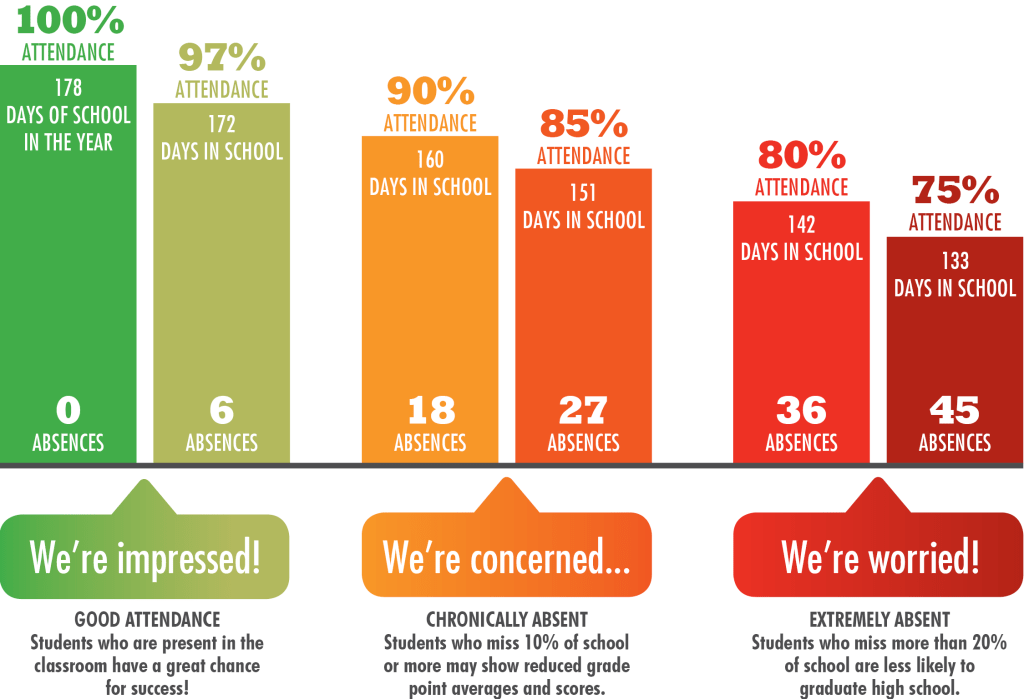
Understanding the complexities behind absence
There are countless reasons why children may miss school. These can include:
- Caring responsibilities or challenging home circumstances
- Transport difficulties
- Family holidays during term time
- Medical or mental health needs
- Behavioural challenges
- A rise in home education, particularly since the pandemic
For schools, this makes analysing attendance data more complex than ever. Trusts, governors and senior leaders are now expected to break down attendance figures by categories such as SEND, gender, class, and whole-school trends to gain an accurate picture of the school community.
While an overall attendance rate of around 97% is often considered good, context matters. Comparing a four-form entry inner-city school to a one-form entry village school doesn’t always tell the full story — yet such comparisons often shape perceptions and accountability measures.

The pressure on schools
Attendance is rightly seen as fundamental to pupil success, but the pressure on schools from Ofsted and the DfE to demonstrate strong attendance figures can be overwhelming. What used to be the job of an in-house attendance or truancy officer has now evolved into a key leadership responsibility — often taking time away from other curriculum and management duties.
Since joining senior leadership myself, attendance has become a key area of focus. During a recent Ofsted inspection, an entire morning was dedicated to discussing attendance data, strategies and outcomes. It was a reminder of how vital it is for every school to have a clear, evidence-based understanding of its attendance landscape.

Practical steps to strengthen attendance
Here are some practical actions that have worked well in my setting and may help others looking to strengthen their approach:
- Run weekly attendance reports to identify trends in illness, lateness and holidays.
- Share attendance data with parents through newsletters or personalised letters where necessary.
- Regularly communicate expectations to parents and carers, including information about attendance fines and the link between attendance and achievement.
- Maintain a clear attendance policy — if you’re part of a Trust, check whether there’s a template or model policy available.
- Build strong relationships with your Attendance Officer and Educational Welfare Team.
- Create a dedicated attendance page on your school website with key information and support links.
- Celebrate good attendance at class level — for example, an “attendance cup” — but avoid singling out individual children, as absences aren’t always within their control.
- Monitor vulnerable groups, such as SEND and pupil premium pupils, and identify targeted strategies for improvement.
- Sign up for the DfE attendance tracking system to benchmark your data against other schools.

Final thoughts
Attendance is far more than just a number — it’s a reflection of school culture, community support and pupil wellbeing. While the pressures on schools are real, consistent monitoring, open communication, and a compassionate approach can make a significant difference.
By working together — leaders, staff, families and local authorities — we can ensure that every child has the opportunity to thrive through regular, meaningful engagement in school life.
This blog is part of the new blog series from Antwis Collaborative – The Leadership Lens.
If you enjoyed this blog, please take a look at the Antwis Collaborative website. Home (antwiscollaborative.co.uk)
This blog was created by:
Mason Conlan
I’m Mason Conlan, a passionate and driven primary practitioner with over 12 years of experience in education. My journey began early as an apprentice Teaching Assistant, and since then, I’ve progressed through a wide range of roles and school settings from local authority maintained schools to both small and large multi-academy trusts.
Over the years, I’ve had the privilege of serving as an HLTA, staff governor, phonics champion, SATS marker, class teacher, subject leader and now, Assistant Head Teacher – for which some of my roles include monitoring, curriculum development, support staff, attendance and personal development. These experiences have allowed me to view school life from many different perspectives and shaped the reflective practitioner I am today.
Academically, I hold a BA (Hons) in Childhood Studies with Educational Practice, Qualified Teacher Status (QTS), and most recently, the NPQ in Leading Teacher Development. In 2016, I was honoured to receive the Swindon Educational Excellence ‘Good Practice’ Award.
Beyond the classroom, I’m passionate about supporting the next generation of teachers. I regularly guest speak at the local university, sharing insights with trainee teachers, and mentor students on placement, helping them bridge theory and practice.
At the heart of my work is a genuine commitment to developing whole school practice, driving improvement, and creating environments where both staff and children can truly shine. I believe in collaboration, high standards, and the power of shared knowledge to make a lasting impact in education.

Connect with Us: Let’s explore how Antwis Collaborative can support your leadership and your school. Home (antwiscollaborative.co.uk)
 AntwisCollaborative
Leave a comment