
A personal reflection
I still remember the first time I led a pupil progress meeting as a new headteacher. I had spreadsheets, graphs, and color-coded charts ready to go. What I didn’t have, however, was a plan for the silence that followed when I showed those numbers. The teachers weren’t seeing data — they were seeing judgment.
That moment taught me a lesson I’ve carried ever since: data leadership isn’t about the numbers; it’s about people.
When done well, data conversations spark curiosity, collaboration and hope. When done poorly, they can create defensiveness and disconnect. Here’s what I’ve learned about leading those conversations with both compassion and clarity.
1. Start with heart (and the story)
Before we ever look at a data chart, we have to remind ourselves: Every number represents a learner — a pupil with a story, a family, and a future.
When we lead with that truth, our tone shifts. Instead of asking, “Why are our scores low here?” we might ask, “What’s happening for our puils in this area?” or “What might this tell us about how they’re experiencing learning?”
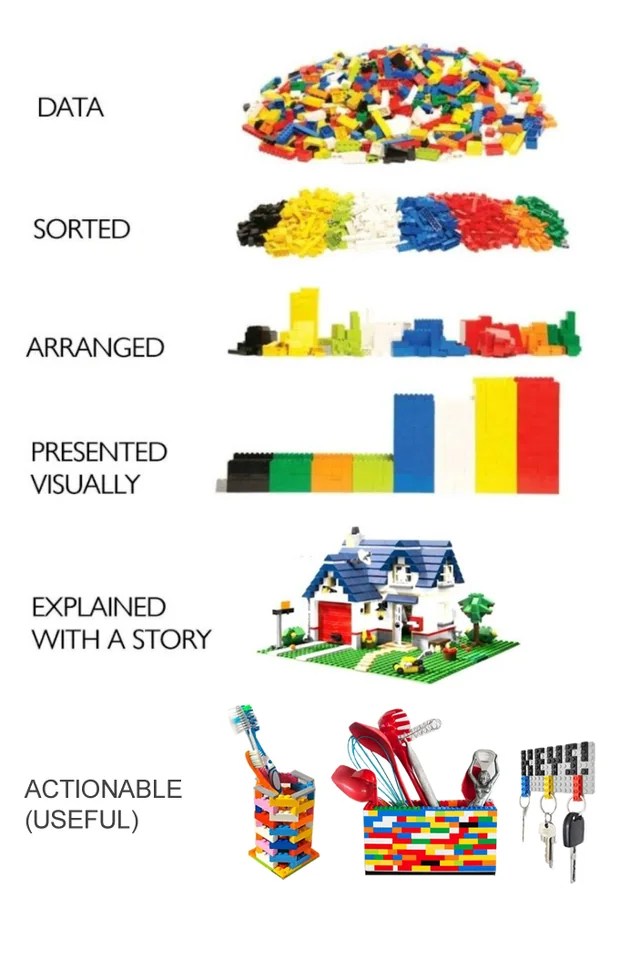
Think of organising data like sorting a big box of LEGO bricks. At first, all the pieces are jumbled together—different colors, shapes, and sizes—making it hard to see what you can actually build. But once you sort them by type or color, patterns start to appear, and you can quickly find the pieces you need to bring your vision to life.
Similarly, in education, organising data—whether it’s test scores, attendance records, or engagement metrics—helps us see the story behind the numbers. Each piece of data, like a LEGO brick, matters, but only when it’s sorted and connected can it reveal insights and guide meaningful action.
By approaching data like LEGO, we transform chaos into clarity, allowing teachers and school leaders to build strategies that truly support pupil growth. By taking the time to structure data clearly, we can move beyond raw statistics and gain a holistic understanding of their pupils’ learning journeys.
When compassion is at the centre, data becomes less about judgment and more about understanding.
2. Create a safe space for honesty and vulnerability
Teachers are constantly being measured and compared. So when we bring data into the room, we must also bring trust with it.
That means:
- Framing data as a tool for learning, not a weapon for accountability.
- Modelling vulnerability by sharing our own “aha” moments — even when things didn’t go as planned.
- Acknowledging the effort behind the outcomes before discussing the gaps.

In Dare to Lead, Brené Brown challenges leaders to embrace vulnerability as the foundation of courage, connection, and authentic leadership. She reframes vulnerability—not as weakness—but as the birthplace of creativity, trust, and innovation. Brown introduces the concept of “rumbling with vulnerability,” which means having the courage to step into difficult conversations, face uncertainty, and be honest about fears and emotions without retreating into defensiveness or perfectionism. As she powerfully writes, “Vulnerability is not winning or losing; it’s having the courage to show up and be seen when we have no control over the outcome.” For teachers and school leaders alike, Brown’s work reminds us that true leadership begins when we are willing to lean into discomfort, listen deeply, and lead with both our hearts and our integrity.
When teachers feel safe, they open up — and that’s when real learning begins.
3. Keep it simple and clear
Data doesn’t need to be complicated to be meaningful. In fact, clarity is a gift to your team.
Instead of showing ten different charts, focus on one or two key indicators that align with your school goals. Use plain language and ask questions like, “What do we notice?” and “What might this mean for our next steps?”

Pupil progress meetings are a powerful tool for turning organised data into actionable insights. When we come together to review pupil progress using clear, structured templates, conversations become focused, efficient, and purposeful.
Templates help ensure that discussions consistently cover key areas—such as attainment, engagement, and areas for targeted support—while also providing space to celebrate successes and share strategies.
By using these structured approaches, data conversations move beyond surface-level observations, allowing teachers and leaders to identify trends, address gaps, and plan interventions with confidence. In essence, well-prepared progress meetings turn data from static numbers into a collaborative story that drives learning forward.
When we strip away the noise, we make room for insight. And when people understand the data clearly, they feel empowered to act on it.
4. Lead with both truth and tenderness
There’s a balance between holding high expectations and showing deep care. Effective data leaders don’t avoid hard conversations — they approach them with empathy and honesty.
When discussing areas of concern, try saying:
“This data shows us there’s a need — but it doesn’t tell the whole story. Let’s fill in the context together.”
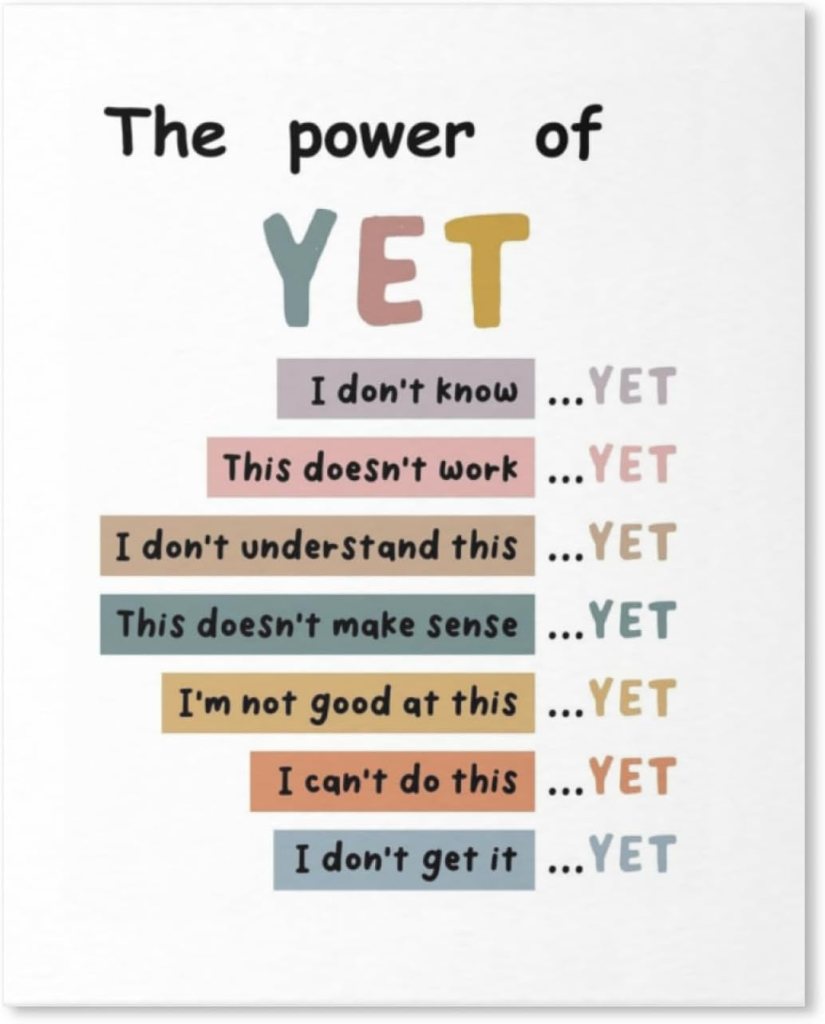
In data conversations, the power of “yet” can transform the way we view pupil progress and potential. Instead of framing a low score or missed target as a failure, adding “yet”—as in, “This pupil hasn’t mastered this skill yet”—shifts the focus from limitation to growth. This small word encourages a mindset that sees challenges as opportunities, prompting educators to explore strategies, interventions, and support systems rather than assigning blame.
When data is discussed through the lens of “yet,” it becomes a tool for curiosity and problem-solving, helping teachers collaborate to uncover what pupils need to succeed and reinforcing the belief that progress is always possible with the right guidance and persistence.
That kind of language communicates partnership rather than pressure. It invites dialogue, not defensiveness.
5. Turn reflection into action
The real power of data comes not from the analysis, but from the actions it inspires.
Invite teachers and teams to set small, clear goals based on what the data reveals. Celebrate progress — even small wins. When we recognise growth along the way, we reinforce the message that improvement is possible and worth pursuing.
Attention to detail can be the difference between good intentions and impactful action, a lesson powerfully illustrated by the story of the GB rowing team. Every stroke, every movement, and every adjustment in the boat is meticulously analysed and refined, because small improvements compound into extraordinary performance. Their constant question was “will it make the boat go faster?”

In education, the same principle applies: carefully examining data, noticing subtle patterns in pupil progress, and reflecting on teaching practices allows us to make targeted, informed decisions. By focusing on the details—whether it’s a slight dip in engagement, a pattern in assessment results, or a specific area where pupils struggle—we can act with precision, implement interventions effectively, and ultimately help learners reach their full potential.
As school leaders, we can remind our teams that data is a story still being written — and we all have a hand in how it ends.
Leading with compassion and clarity
Compassion and clarity are not opposites — they’re partners. Compassion helps us see the humans behind the data; clarity helps us make sense of their stories.
When we lead data conversations with both, we create school cultures where educators feel respected, pupils feel understood, and learning communities grow stronger together.
At its best, data leadership isn’t about charts or targets — it’s about connection, reflection, and collective hope.

At Antwis Collaborative, we believe that data should tell a story — one that reflects both the heart and the hard work happening in every classroom. Too often, assessment data feels like something done to teachers rather than with them. But when data conversations are led with compassion and clarity, they can become powerful catalysts for growth, collaboration, and trust.
How Antwis Collaborative can help
At Antwis Collaborative, we work alongside school leaders and educators to turn assessment and data practices into meaningful, human-centered processes.
We offer:
- Professional learning on assessment and data literacy grounded in empathy and equity.
- Coaching and facilitation to build confident, compassionate data leaders.
- Collaborative data workshops that help teams translate numbers into narratives — and narratives into next steps.
We help schools use data not just to measure learning, but to understand it — and to ensure that every learner’s story is seen, heard, and valued.
This blog was created by:
Nicki Antwis
This blog is part of the new blog series from Antwis Collaborative – The Leadership Lens.
If you enjoyed this blog, please take a look at the Antwis Collaborative website. Home (antwiscollaborative.co.uk)

Connect with Us: Let’s explore how Antwis Collaborative can support your leadership and your school. Home (antwiscollaborative.co.uk)
 AntwisCollaborative
Leave a comment