
School improvement is rarely held back by a lack of effort. In most schools, staff work incredibly hard, leaders care deeply, and there is no shortage of ideas, initiatives, strategies, interventions, data points and action plans.
The challenge is not usually whether we are doing enough. The challenge is whether we are doing the right things, in the right order.
Whilst walking on the beach over the break we were reminded of a simple story that captures this perfectly.

A headteacher stands in front of her staff with an empty glass jar. Beside the jar are a pile of large rocks, a box of pebbles and a container of sand.
First, she places the rocks into the jar. When the rocks reach the top, she asks the staff, “Is the jar full?”
The staff reply that it is.
The headteacher then pours in the pebbles. She shakes the jar gently, and the pebbles settle into the spaces between the rocks.
“Is it full now?” she asks.
The staff laugh and say yes.
Finally, the headteacher pours in the sand. The sand slips into every remaining gap.
Now the jar is truly full.
The headteacher explains that the jar is like life. The rocks are the most important things: family, health and relationships. The pebbles are things that matter, but less deeply. The sand is the small stuff.
Then comes the key lesson: if she had poured in the sand first, there would have been no room for the rocks.

For school leaders, the jar is not just a story about life.
It is a story about school improvement.
Too many schools start with the sand
In education, it is easy to become consumed by the sand.
The sand is the endless stream of minor demands and distractions:
- The initiative that looks impressive but changes little
- The policy rewritten for the third time in a year
- The spreadsheet that nobody really uses
- The extra meeting that fills a diary but adds little value
- The rush to respond to every new trend, framework or pressure
- The endless search for quick wins
None of these things are necessarily wrong. Like sand, they can have a place.
The problem comes when they fill the jar before we have made space for what matters most.
When schools become overloaded with low-impact tasks, even the most talented staff can lose clarity. Energy becomes fragmented. Improvement plans become crowded. Teams become busy, but not always better.
At Antwis Collaborative, we often find that the most successful schools are not those doing the most. They are the schools that are most disciplined about what they choose not to do.

Identifying the rocks of school improvement
Every school has its own context, but there are some “rocks” that almost always deserve to go into the jar first.
1. A clear and shared vision
Improvement begins when everyone understands what the school is trying to achieve.
A strong vision is not a slogan on a wall or a paragraph in a development plan. It is a shared understanding of the kind of school we want to become and the values that guide our decisions.
When the vision is clear, it becomes easier to decide which opportunities to pursue and which distractions to leave behind.
2. High-quality teaching
The greatest lever for improving outcomes is consistently strong teaching.
Schools can become distracted by structural changes, new systems or complex interventions, but nothing has a greater impact than what happens between teacher and pupil, every day, in every classroom.
If teaching and learning are the rock, then professional development, coaching, curriculum design and instructional consistency must come first.
3. Relationships and culture
Schools improve when people feel valued, trusted and connected.
The relationships between staff, pupils and families shape the culture of a school far more than any policy ever could.
A school with strong relationships can navigate challenge, change and uncertainty. A school without them will struggle, however well-written its plans may be.
Culture is not built through posters or assemblies alone. It is built through daily interactions, consistent expectations and the way leaders treat people.
4. Staff wellbeing and capacity
There is no sustainable school improvement without sustainable people.
When teachers and leaders are overwhelmed, even the best plans begin to fail. Too often, schools add more pebbles and sand to the jar without recognising that there is no room left.
Protecting staff time, reducing unnecessary workload and creating space for reflection are not optional extras. They are essential foundations for improvement.

The Pebbles still matter
The story is not saying that pebbles and sand have no value.
In schools, the pebbles may include:
- Enrichment opportunities
- New technology
- Refreshed displays and environments
- Additional clubs and experiences
- Targeted projects and initiatives
These things can enhance the life of a school and bring real benefit.
But they only work well when they sit around the rocks rather than replacing them.
A school that introduces a new digital platform without first strengthening teaching may see little change. A school that launches multiple initiatives without a clear vision may simply create confusion.
The order matters.
What this means for school leaders
School improvement planning should begin with a simple question:
What are the rocks that matter most in our school right now?
For some schools, it may be improving attendance. For others, it may be developing middle leadership, strengthening curriculum implementation or rebuilding trust within the staff team.
Whatever the priorities are, they should be few, clear and significant.
The strongest improvement plans are rarely the longest. They are the ones that identify the handful of priorities that will make the greatest difference and then protect time, attention and resources for those priorities.
As leaders, we sometimes need the courage to say:
- Not now
- Not yet
- Not this
Saying no is difficult, especially in a system that constantly asks schools to do more. Yet purposeful leadership is not about squeezing more into the jar. It is about making sure the rocks go in first.

A final reflection
The tale of the rocks, pebbles and sand reminds us that successful school improvement is not built on doing everything.
It is built on identifying what matters most and giving those things the time, energy and attention they deserve.
If we fill our schools with the sand of endless tasks and competing priorities, we leave no room for the things that truly transform outcomes.
But when we start with the rocks — clear vision, excellent teaching, strong relationships and staff wellbeing — there is space for everything else to fit around them.
The jar may still become full, but it will be full of the right things.
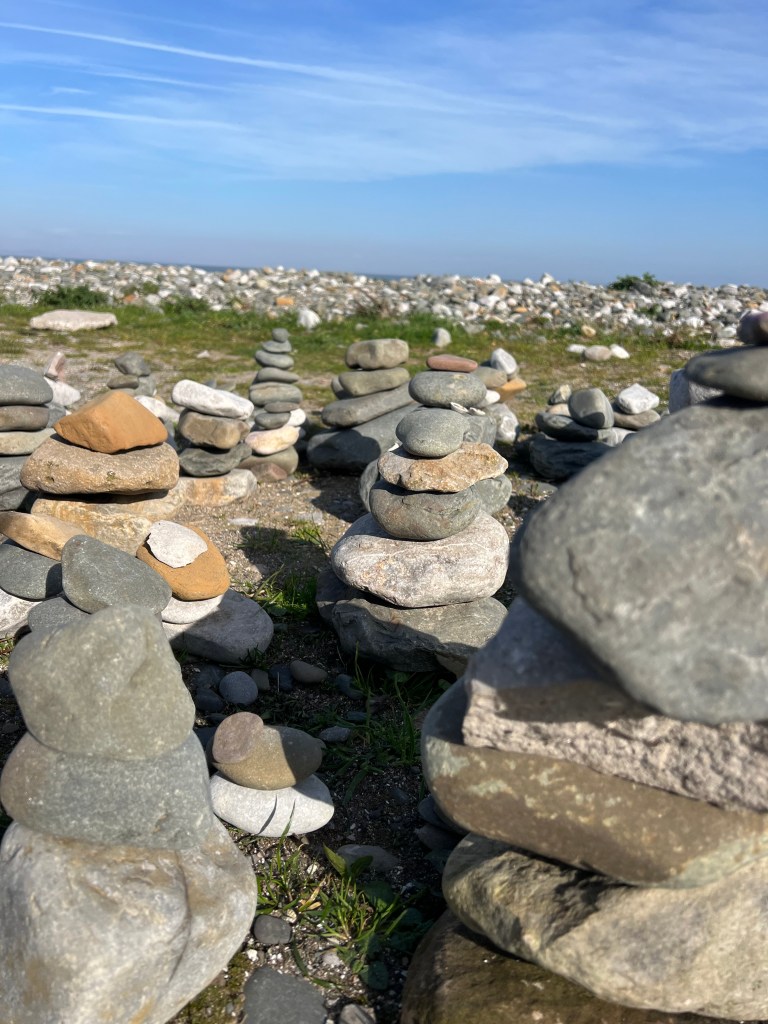
As the story of the rocks, pebbles and sand reminds us, the things we place first are the things that shape the future. In schools, it is all too easy for the “sand” of day-to-day pressures to crowd out the strategic priorities that make the greatest difference for pupils, staff and communities. At Antwis Collaborative, we help schools focus on the “rocks” that matter most—whether that is strengthening leadership, improving teaching and learning, or creating a clear plan for sustainable improvement. If you are ready to make space for what matters most, get in touch to find out how we can support your school improvement journey.
This blog was created by:
Nicki Antwis
This blog is part of the new blog series from Antwis Collaborative – The Leadership Lens.
If you enjoyed this blog, please take a look at the Antwis Collaborative website. Home (antwiscollaborative.co.uk)

Connect with Us: Let’s explore how Antwis Collaborative can support your leadership and your school. Home (antwiscollaborative.co.uk)


Leave a Reply