
Why purpose matters in schools and in life
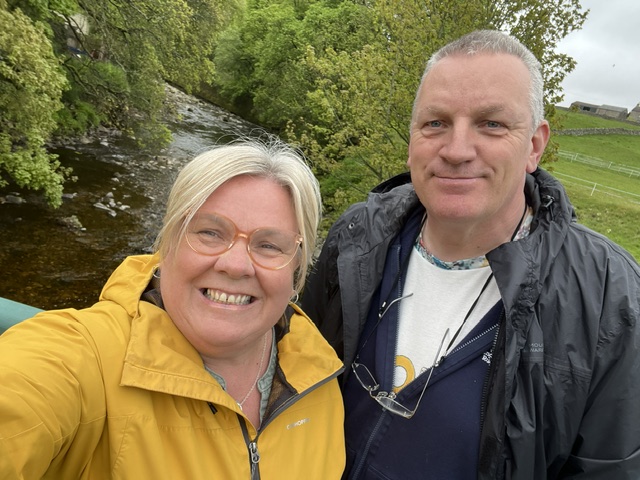
When our son and his girlfriend shared their latest project, it made us pause. .
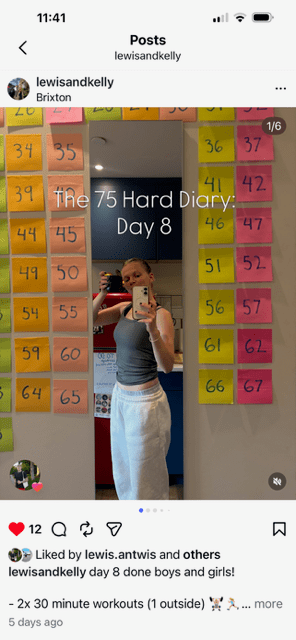
@lewisandkelly are completing the viral 75 Hard challenge which has captured so many people. They explained:
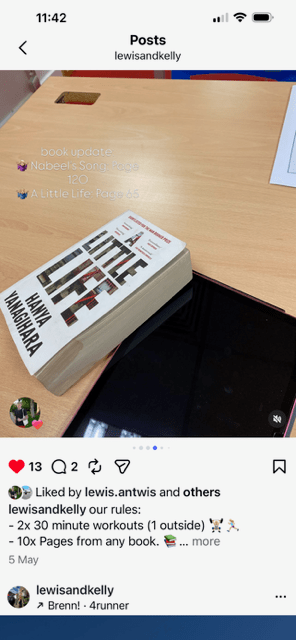
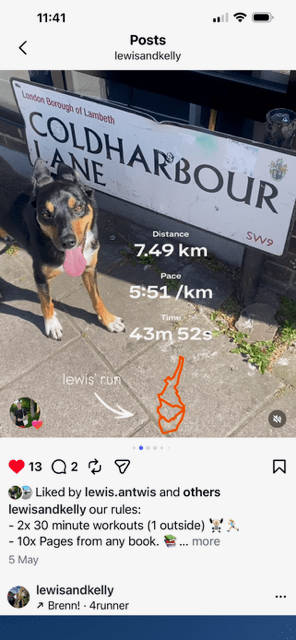
“When you think of a goal or resolutions, a 75-day workout might not top the list. But that’s what’s going viral this year, as people take to TikTok and Instagram to document their progress. First, the ground rules: you stick to a healthy diet with no cheat meals or alcohol. Plus on each of the 75 days, you do two 45-minute workouts, one of them outside, drink more than three litres of water and read 10 pages of a non-fiction book. Easy, right?”
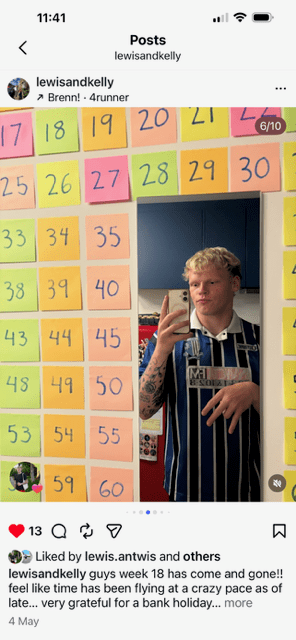
For us, this insight resonates far beyond fitness trends. Whether leading a school or pursuing personal growth, meaningful progress is driven by clarity, discipline, and intentional action.
In education, the most effective leaders are rarely the busiest people in the room. They are the most intentional.
Intentionality is the discipline of acting with purpose. It means making decisions that align with your values, your goals, and the outcomes you want for your school community. In a profession where demands are constant and time is limited, intentionality is what separates reactive leadership from transformative leadership.
This principle does not only apply to school leadership. It is equally powerful in our personal lives.
Whether you are shaping a school culture, strengthening your wellbeing, or taking on a personal challenge such as the popular Instagram trend “75 Hard,” the underlying lesson is the same: progress is rarely accidental.
What intentionality looks like in school leadership
School leaders make hundreds of decisions each week.
- Which initiatives deserve attention?
- How should time be allocated?
- What behaviours should be recognised?
- Where should resources be invested?
- How should staff be supported?
Without a clear sense of purpose, leadership can become a cycle of responding to urgent issues rather than advancing meaningful priorities. In fact it is very easy to become a busy fool!
Intentional leaders ask different questions:
- Does this decision align with our vision?
- Will this improve outcomes for pupils?
- How does this support staff wellbeing?
What message does this send about our values?
When leaders act intentionally, schools become more coherent. Staff understand the “why” behind decisions, pupils experience consistency, and strategic priorities gain momentum.
Intentionality builds culture
Culture is created through repeated choices.
Every meeting agenda, every corridor conversation, and every response to a challenge communicates what matters most.
Leaders who are intentional:
- Protect time for teaching and learning.
- Prioritise relationships.
- Provide clear and consistent communication.
- Model calm and thoughtful decision-making.
- Focus on a small number of high-impact priorities.
Over time, these deliberate actions create trust.
And trust is the foundation of sustainable school improvement.
Intentionality in life
The same principle applies outside school.
Many professionals set goals around health, relationships, and personal growth, but intentions are often overshadowed by the pace of daily life.
Living intentionally means deciding in advance what matters and building habits that support those priorities.
- Scheduling time for exercise.
- Protecting family commitments.
- Limiting distractions.
- Investing in learning.
- Creating space for reflection.
A purposeful life is built through small, consistent choices.
What the 75 Hard trend teaches us
The viral Instagram challenge “75 Hard” has captured the attention of thousands of people seeking greater discipline and mental toughness.
Participants commit to a structured set of daily tasks for 75 consecutive days, including exercise, reading, hydration, and following a nutrition plan.
While opinions vary on the programme itself, its popularity highlights an important truth: people are drawn to structured intentionality.
The challenge works because it removes ambiguity.
Participants know exactly what is required each day. Success depends on consistency, commitment, and accountability.
School leadership is similar.
The most effective leaders do not rely on motivation alone. They establish routines, align actions with purpose, and persist over time.
The lesson is not that every leader should undertake 75 Hard.
The lesson is that meaningful change happens when we commit to clear behaviours and follow through with discipline.

Practical tips to lead more intentionally
1. Clarify your core priorities
Identify the two or three outcomes that matter most this term.
2. Audit your calendar
Review where your time is going. Ensure it reflects your strategic priorities.
3. Create non-negotiable habits
Protect routines such as classroom visits, staff check-ins, and strategic reflection.
4. Communicate the why
Help staff understand the purpose behind each decision and initiative.
5. Reflect regularly
Ask yourself each week: Did my actions align with my intentions?
The power of small decisions
Intentionality is not about perfection.
It is about making deliberate choices, repeatedly, over time.
In schools, this might mean consistently investing in staff development, maintaining clear expectations, and focusing on what matters most for pupils.
In life, it may mean committing to healthier habits, stronger relationships, or personal challenges that build discipline.
Whether you are leading a school improvement strategy or completing day 27 of a 75-day challenge, the principle remains unchanged:
Your outcomes are shaped by your intentions, and your intentions are revealed through your intentional daily actions.
Final thought
At Antwis Collaborative, we work with educational leaders to turn vision into action.
The most successful leaders are not simply ambitious. They are intentional.
They know where they are going, why it matters, and how their everyday decisions move their communities closer to that goal.
In a world full of distractions, intentionality is a leadership advantage.
And it may be one of the most important habits a leader can develop.

This blog was created by:
Nicki Antwis
This blog is part of the new blog series from Antwis Collaborative – The Leadership Lens.
If you enjoyed this blog, please take a look at the Antwis Collaborative website. Home (antwiscollaborative.co.uk)

Connect with Us:


Leave a Reply