
I have been fortunate to work in six very different schools, from an all-through independent school to city academies, and have enjoyed a deeply rewarding career. Like most people who have spent many years in education, there have been moments of immense satisfaction alongside periods of challenge. Yet, when we leave the profession, it is often the difficult days that linger longest in our memories.
One of those six schools was also attended by my three children (much to their relief, after I had moved on!) Sometimes you stay in touch with former schools; sometimes life simply moves on. Either way, it is always a privilege to return years later, attend a school event and reconnect with former colleagues, parents and pupils.
Recently, my son was invited back to his old school for a charity fundraising afternoon involving former pupils playing “friendly” rugby and netball. My wife and I went along to support him and witness the rather surreal spectacle of a lifelong rugby player attempting to play netball. As the saying goes, I’ve seen milk turn faster.
It was a wonderful afternoon in support of a good cause. I spent time chatting with former colleagues, laughing with parents I hadn’t seen for years and meeting ex-pupils, many now with families of their own.
Then I became aware that someone was watching me from across the field.
A tall, bearded young man began walking purposefully towards me. As he approached, I realised he was almost certainly a former pupil.
And then the panic set in.
I have an awful memory.
Not affectionately awful.
Truly awful.
It becomes even more problematic when pupils have grown a foot taller and acquired impressive facial hair. Over the years I’ve developed coping strategies—waiting for a conversational clue or hoping my wife will casually ask, “Sorry, remind me of your name?”
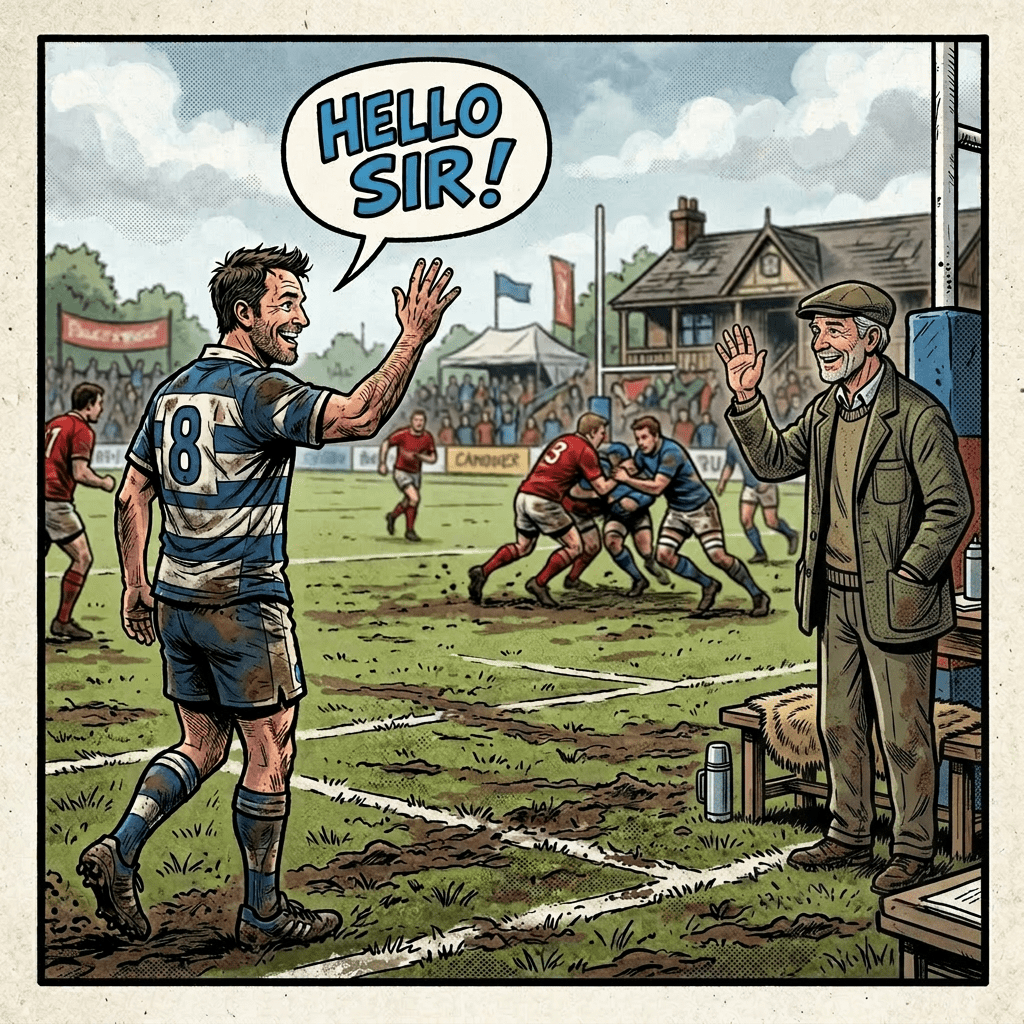
As he smiled and said, “Hello, Sir,” I admitted defeat.
“I’m so sorry… I know I should know you, but I can’t place you.”
The strange thing is that while I struggle terribly with faces, I have a surprisingly good memory for names. I had overseen admissions at this school for many years and those endless spreadsheets seem permanently etched into my brain like a fossil record.
“It’s Dan, Sir.”
Instant relief.
“I just wanted to thank you for turning my life around.”
I looked at him, completely puzzled.
“You called my mum and me into school for a serious meeting in Year 11. It was the biggest kick up the backside I’d ever had—and exactly what I needed.”
You could have knocked me over with a feather. I had absolutely no recollection of the meeting.
Like every teacher and school leader, I had spent years having countless conversations, interventions and difficult meetings with young people. They often blurred into one another. For me, it had become another day at work.
For Dan, it had become a turning point.
He went on to achieve excellent examination results, attend university and build a successful career. Standing in front of me was a confident, accomplished young man who had simply wanted to say thank you.
It was one of the most humbling moments of my career.
The middle-aged (or perhaps just old) men in my village occasionally meet for a drink. My wife invariably asks for a detailed debrief when I get home and is continually amazed by how little information we have actually exchanged.
Yet I often reflect that spending more than thirty years in education has given me something priceless: an endless collection of stories about people.
Few professions allow you to witness lives unfolding over decades.
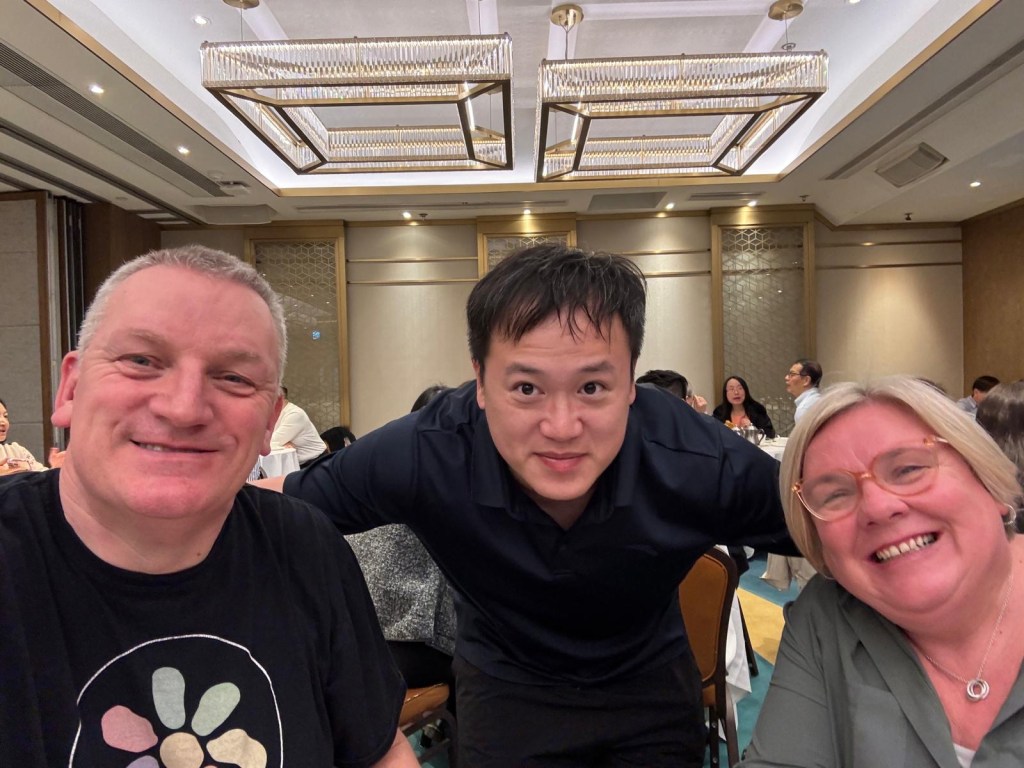
I’ve had “Hello, Sir!” shouted across Twickenham and Wembley. I’ve bumped into former pupils in airports and restaurants. One even contacted us while we were on holiday in Hong Kong and insisted on taking us out for an unforgettable dim sum lunch.
Education has a remarkable habit of giving back long after you think the story has ended.
So, to anyone considering a career in education—or to those currently wondering whether the endless emails, marking, meetings and challenging days are really worth it—my advice is simple.
Persevere.
The rewards are real, but they rarely arrive when you expect them.
My own son now works in schools and sometimes wonders whether he is making any difference at all. Like so many school staff, he can become frustrated that progress feels painfully slow or even invisible.
I always tell him the same thing.
Your impact is already happening.
You just won’t hear about much of it for years.
Education is perhaps the ultimate profession of delayed gratification. Every conversation, every lesson, every difficult decision and every moment of encouragement plants a seed. Most of those seeds grow quietly, out of sight, long after the teacher has forgotten the moment entirely.

At Antwis Collaborative, we often return to a simple thought:
Those who plant seeds knowing that only others will enjoy the shade.
That, to me, captures the essence of educational leadership.
One day, perhaps years from now, another former pupil will walk across a playground, a sports field or an airport lounge to say, “Thank you.”
And in that moment, you’ll be reminded that you were changing lives all along.

This blog was created by:
Simon Antwis
This blog is part of the new blog series from Antwis Collaborative – The Leadership Lens.
If you enjoyed this blog, please take a look at the Antwis Collaborative website. Home (antwiscollaborative.co.uk)

Connect with Us: Let’s explore how Antwis Collaborative can support your leadership and your school. Home (antwiscollaborative.co.uk)


Leave a Reply